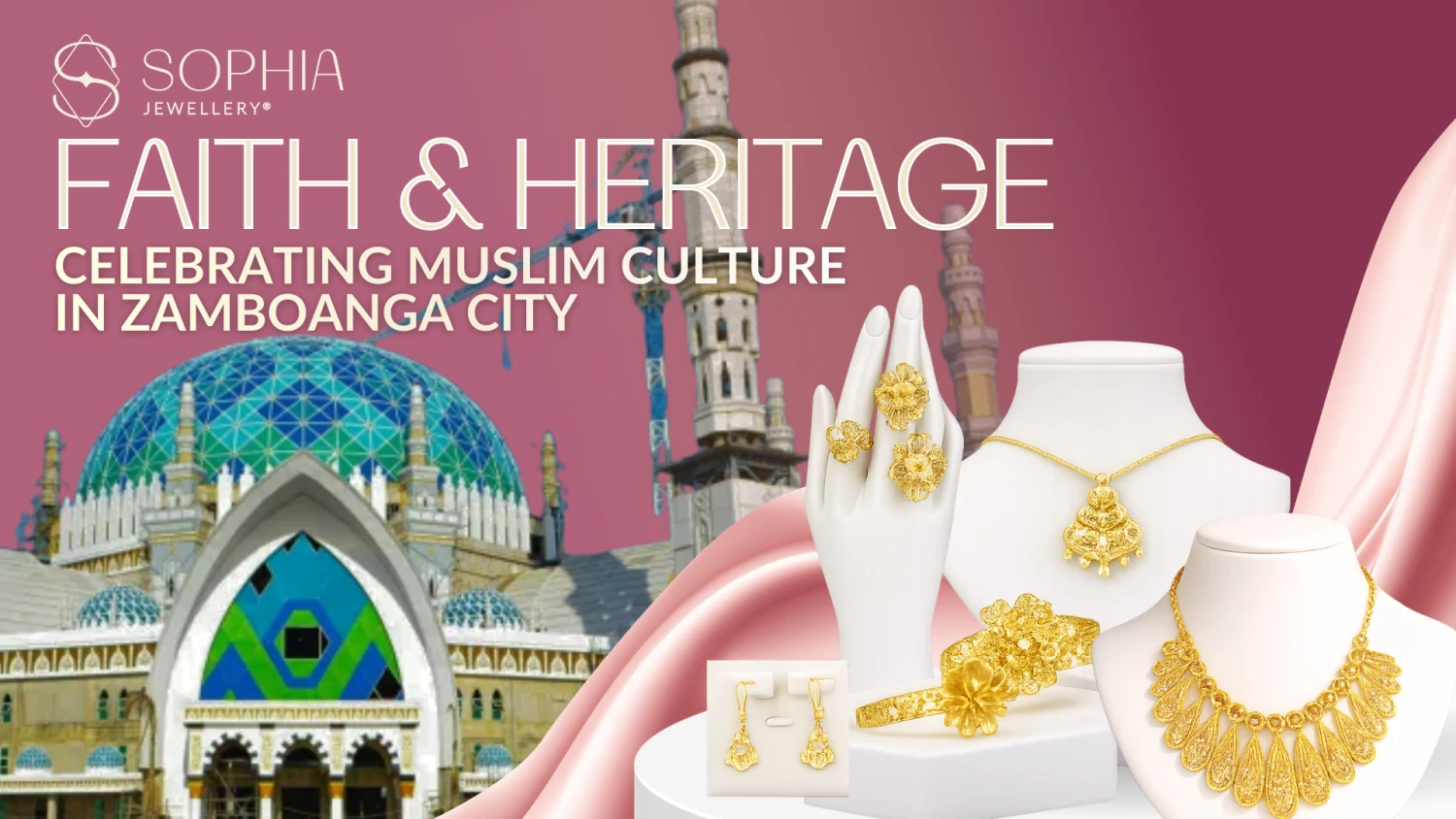
Zamboanga City: A Cultural Melting Pot and Muslim Traditions
A rich blend of cultures shapes everyday life in Zamboanga City, where different communities contribute to the city’s unique identity and traditions. Among them is a thriving Muslim community whose faith and heritage remain an important part of the local culture.
At the heart of this community stands the Sadik Grand Mosque, a symbol of faith, unity, and spiritual life in the city. Many cultural practices, from religious observances to meaningful milestones such as Muslim weddings, reflect values of respect, commitment, and family traditions that continue to be cherished today.
TLDR
Zamboanga City’s diverse culture is shaped by a vibrant Muslim community, with the Sadik Grand Mosque serving as an important symbol of faith. Religious observances like Ramadan and celebrations such as Eid al Fitr bring communities together, while life milestones like Muslim weddings highlight traditions such as the mahr, where gold jewelry is often included as part of the dowry, a meaningful symbol of commitment reflected in timeless pieces from Sophia Jewellery.

Zamboanga City: A Cultural Melting Pot
Zamboanga City is widely recognized for its rich cultural heritage and diversity. Often referred to as Asia’s Latin City, the city is home to communities with different traditions, languages, and cultural backgrounds.
Its heritage is influenced not only by local Mindanaoan traditions but also by nearby regions and countries such as Malaysia and Indonesia, creating a unique cultural blend that continues to shape everyday life in the city.
This diversity allows traditions from different communities to thrive, including those practiced by the city’s vibrant Muslim population.
The Muslim Community in Zamboanga City
The Muslim community forms an important part of Zamboanga City’s
identity. Faith plays a central role in their daily lives, guiding family values, celebrations, and life milestones.
One of the most significant observances in Islam is Ramadan, the holy
month of fasting, reflection, and prayer.

Many people often ask what Ramadan is and why it holds such importance. Ramadan is a sacred period in Islam where Muslims fast from dawn until sunset while focusing on spiritual growth, charity, and strengthening their faith.
For many, the anticipation of Ramadan 2026 will once again bring families and communities together in prayer, reflection, and shared meals after sunset.
Understanding Ramadan: Key Facts to Know
How long is Ramadan?
Ramadan typically lasts 29 to 30 days, depending on the sighting of the new moon
When does Ramadan start?
The start of Ramadan is determined by the moon sighting, which marks the beginning of the Islamic lunar month
What happens during Ramadan?
Muslims fast from dawn (Fajr) until sunset (Maghrib), perform additional evening prayers called Taraweeh, and gather for iftar, the meal that breaks the fast.
What celebration marks the end of Ramadan?
The holy month concludes with Eid al Fitr, a joyful celebration marked by prayers, family gatherings, and shared meals. For many families in Zamboanga City, Ramadan is a time of reflection, generosity, and strengthening community bonds.
Sadik Grand Mosque: A Landmark of Faith in Zamboanga City
A prominent symbol of faith in the city is the Sadiq Grand Mosque, one of the most recognizable Islamic landmarks in Zamboanga.
📍 Location: MCLL Highway, Pasobolong, Zamboanga City

The mosque serves as an important place of worship where the Muslim community gathers for daily prayers, spiritual reflection, and major religious occasions.
During Ramadan, the mosque becomes especially vibrant as worshippers gather for evening prayers and community activities. It is also a central place where the community prepares for Eid al Fitr, the celebration marking the end of the fasting month.
Beyond its architectural beauty, the Sadiq Grand Mosque represents faith, unity, and the enduring presence of Islamic culture in Zamboanga City.
Celebrations and Life Milestones in the Community
Within the Muslim community in Zamboanga City, important moments are marked by traditions that bring families and neighbors together.
Religious celebrations such as Eid al Fitr, which marks the end of Ramadan, are among the most joyful occasions. After a month of fasting, communities gather for prayers, shared meals, and visits with loved ones, celebrating faith, gratitude, and unity.
Beyond religious observances, life milestones are also celebrated with meaningful traditions. Among these, marriage holds a special place in Muslim culture, marking the beginning of a new chapter for both families and the couple.
 Gold as a Meaningful Part of Dowry
In many Muslim communities, including those in Zamboanga City, gold jewelry is commonly included as part of the dowry, also known as mahr.
Gold is valued not only for its beauty but also for its lasting significance. It symbolizes security, commitment, and heritage, making it a meaningful gift for such an important life milestone
Many people are curious about how Muslim weddings work and the role dowry plays in marriage traditions. Here are some common questions people search about Muslim marriage customs:
What is a Muslim dowry (mahr)?
In Islam, the mahr is a mandatory gift given by the groom directly to the bride as part of the marriage contract. It symbolizes respect, responsibility, and commitment. Unlike some cultural dowries given to the bride’s family, the mahr belongs entirely to the bride.

What happens during a Muslim wedding ceremony?
The central ceremony is called the nikah, where the marriage contract is formally agreed upon in the presence of witnesses. During this ceremony, the groom presents the mahr to the bride.
Can the bride choose her mahr?
Yes. The bride has the right to agree upon or request the mahr before the marriage contract is finalized. It may include money, jewelry, property, or another meaningful gift
At Sophia Jewellery, timeless gold pieces are designed to celebrate love, heritage, and important moments reflecting traditions that continue to be cherished in communities like those in Zamboanga City.

For those looking for meaningful gold pieces to celebrate life’s milestones, Sophia Jewellery welcomes customers at its Zamboanga branches.
📍Gov. Lim Branch (Sun Gate Pawnshop, Gov Lim, Zamboanga City)
📍La Purisima Branch (Sun Gate Pawnshop, La Purisima, Zamboanga City)
📍Yubenco Putik Branch (Yubenco Star Mall, Putik, Zamboanga City)
📍Yubenco Tetuan Branch (Yubenco Star Mall, Tetuan, Zamboanga City)
📍Yubenco Ayala Branch (Yubenco Star Mall, Ayala, Zamboanga City)
📍KCC Mall Branch (Gov. Camins Ave., Zamboanga City)
📍SM City Mindpro Branch (SM City Mindpro, La Purisima, Zamboanga City)
✨ Visit our website
https://sophiajewellery.com
✨ Follow us on:
https://www.facebook.com/sophiajewellery
https://www.instagram.com/sophia_jewellery/
TikTok
https://www.tiktok.com/@sophia_jewellery